COPERNI2013–2026
Long Live Coperni
Coperni gave glassblowers, artists, and engineers an audience far beyond their workshops and laboratories. As the label closes, we trace the collaborations behind its most unlikely objects, and the work that continues beyond the runway.
A collective beginning
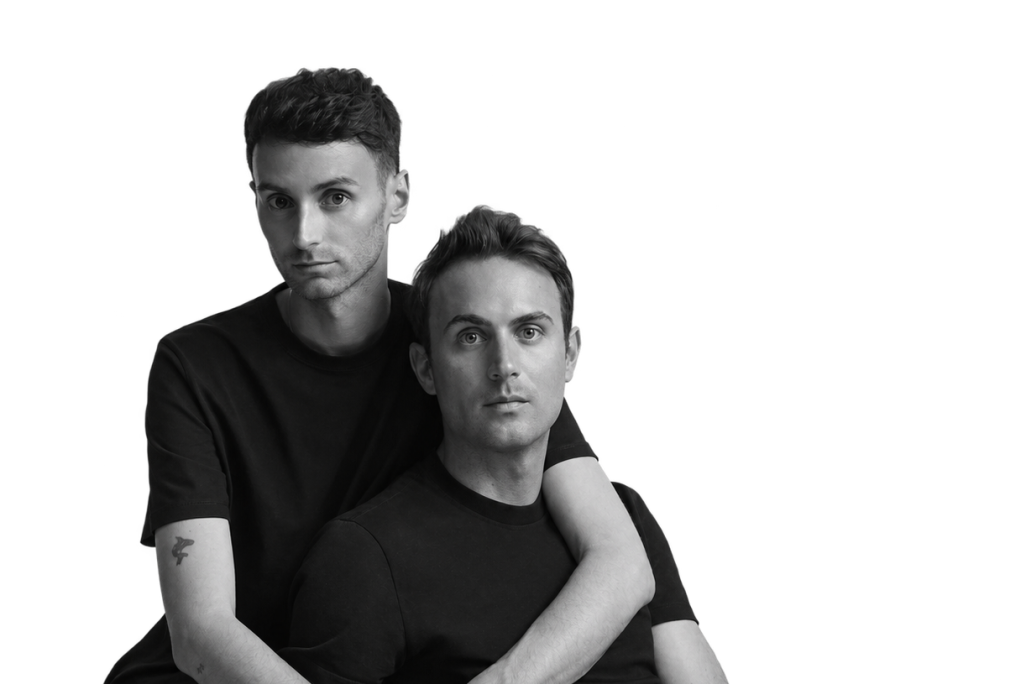
Coperni’s founders, Sébastien Meyer and Arnaud Vaillant, announced on 4 November 2026 that their company was ceasing operations. They cited an unresolved dispute with Tomorrow, its distributor and shareholder. It is a dispiriting end to a label that made fashion feel unusually open to other people’s work.
Founded in 2013, Coperni first reached Opening Ceremony buyer Clara Cornet through a handful of Instagram posts. In a 2014 interview at the pair’s flat, Vaillant was planning fabric orders and hoping to hire a pattern cutter. Their favourite dress had taken days to make, its pieces of microfibre cut on the bias to form rows of waves. Lolita Jacobs helped with art direction and stayed late for fittings. The friends who contributed to Coperni would become as important to its identity as any single object.
A night out
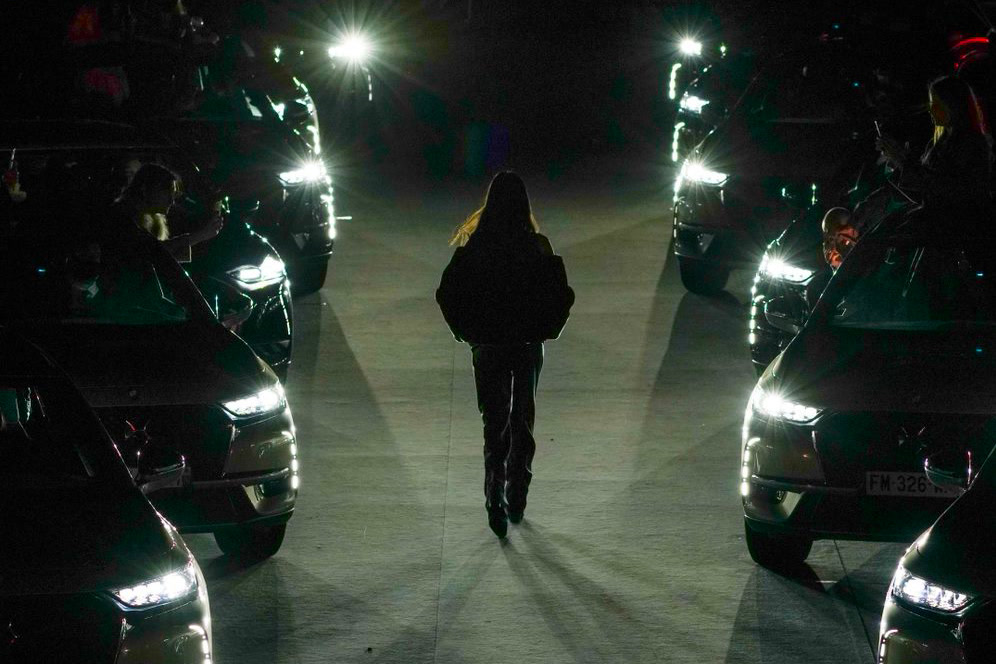
In March 2021, seventy guests watched Coperni’s autumn/winter show from inside thirty-five cars. They were driven to Paris’s Accor Arena, where the vehicles formed the runway and their headlights illuminated the models. The idea came from the closing sequence of Leos Carax’s Holy Motors, in which limousines return to a garage.
It solved a problem created by the pandemic, but Meyer and Vaillant also wanted to give people a night out. Maybe, the studio founded by their friends Charles Levai and Kevin Tekinel, provided creative direction. La Mode en Images produced the show, with music by Clara 3000. The cars brought the audience, seated them and lit the clothes.

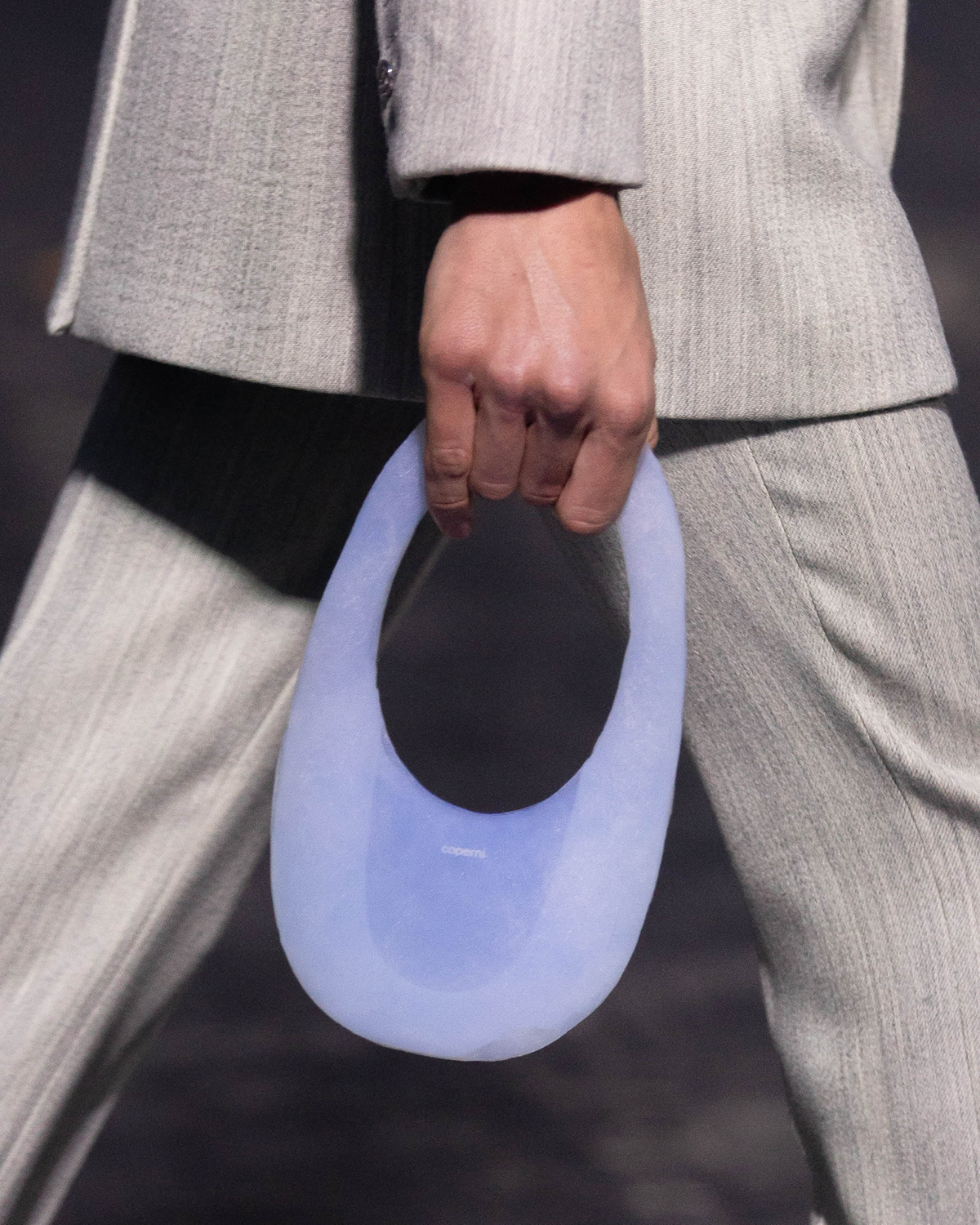
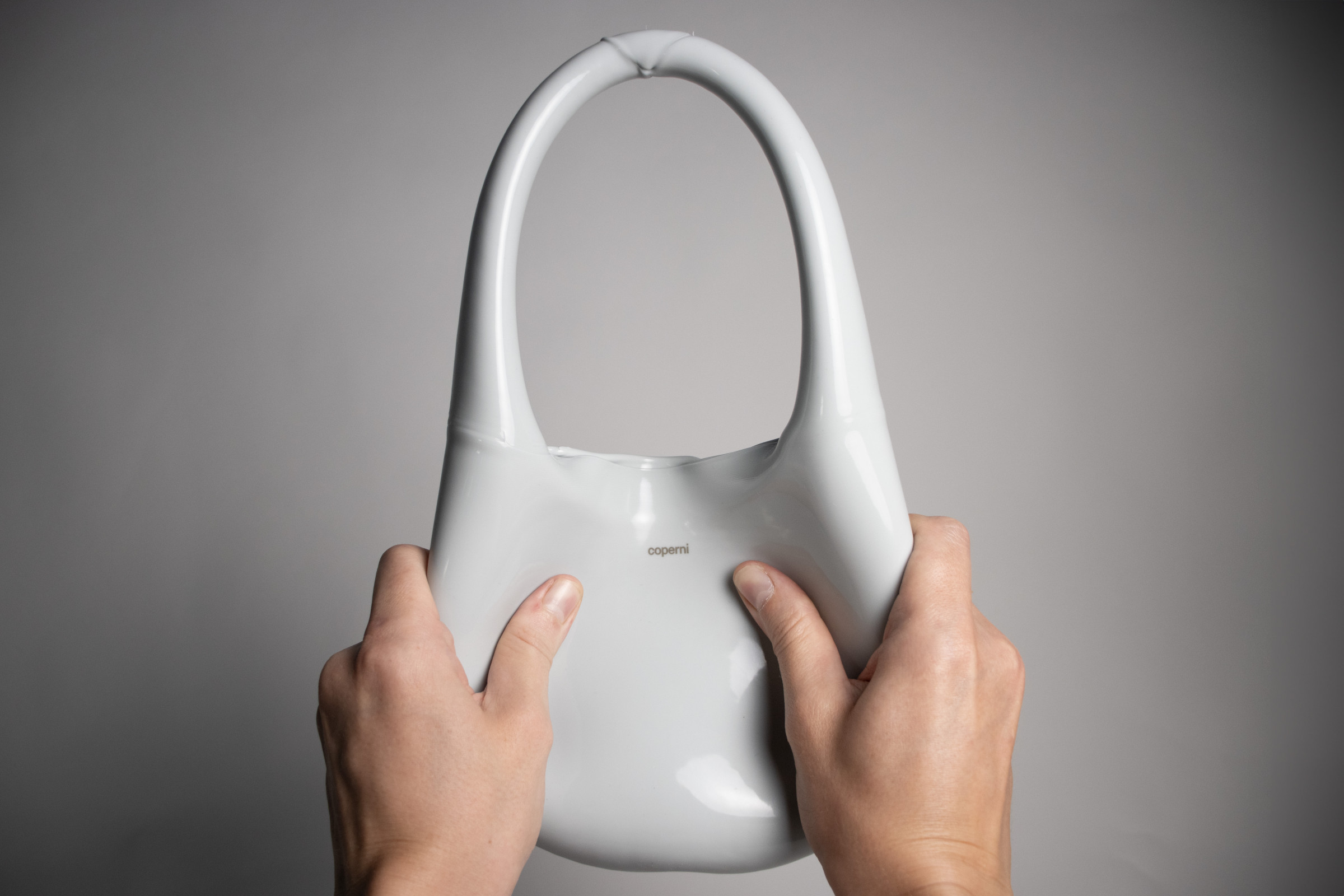
The Swipe in glass
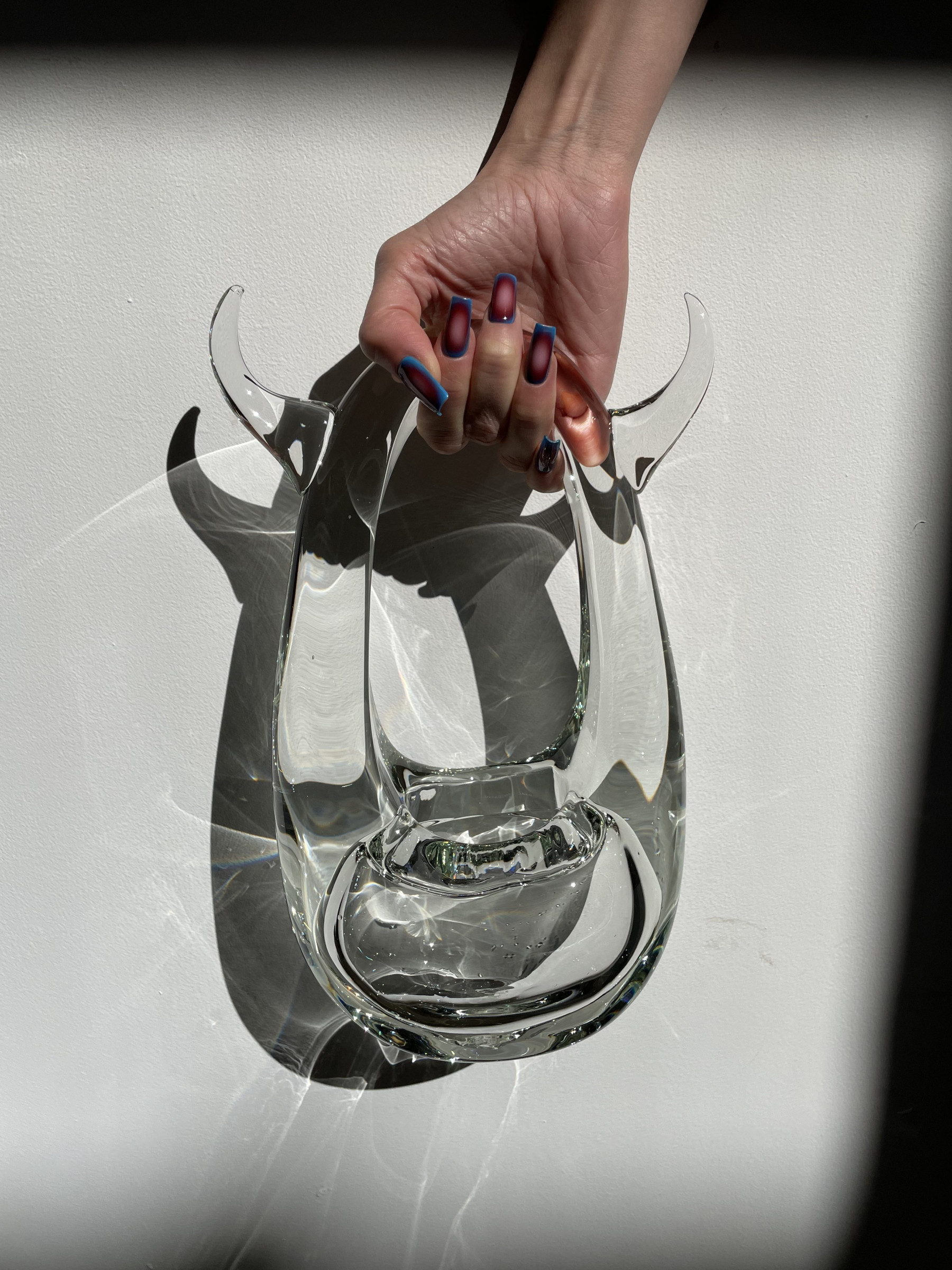
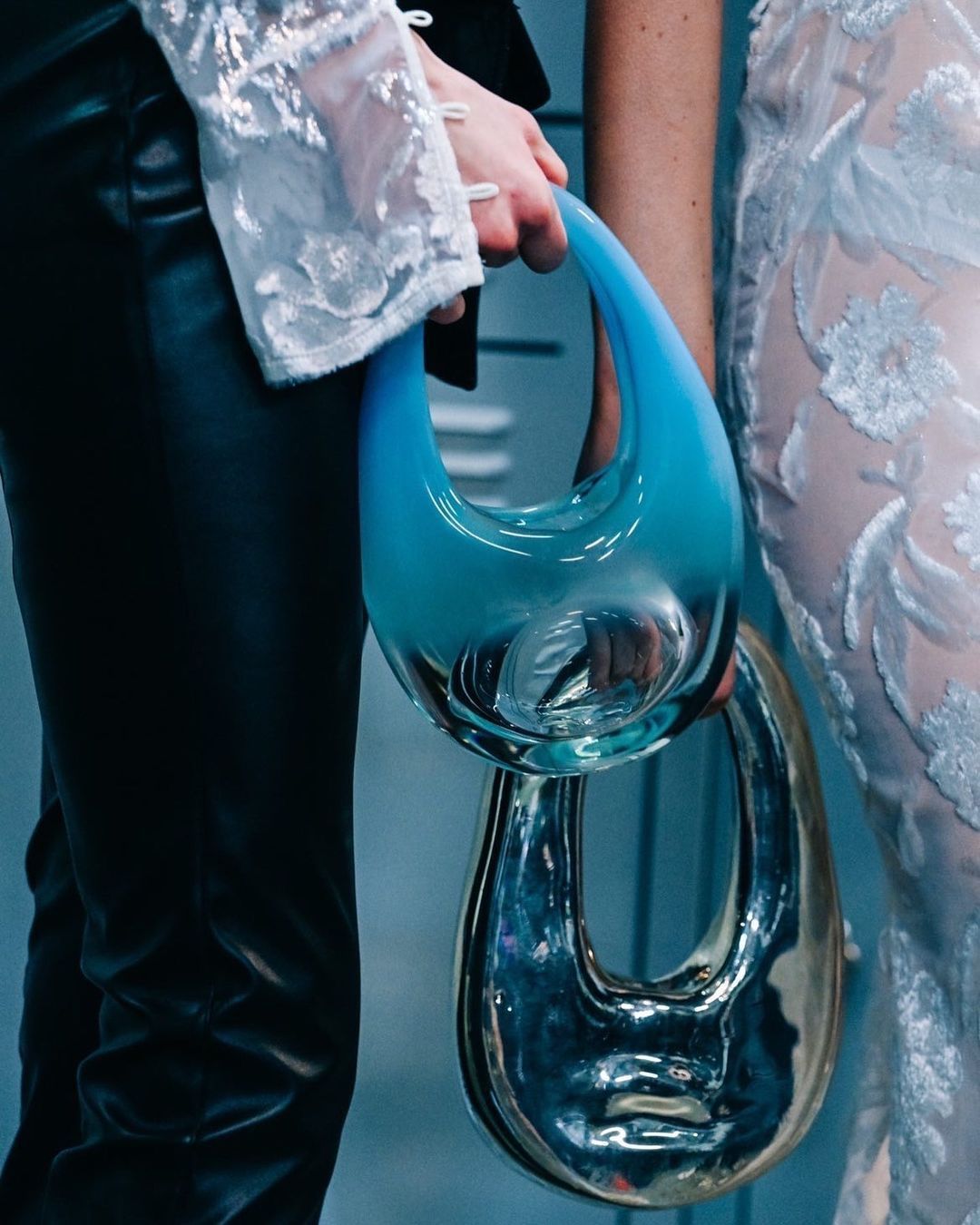
The Swipe bag’s looping outline came from the iPhone’s swipe-to-unlock symbol. Keeping that recognisable shape allowed Coperni to change almost everything about how it was made.
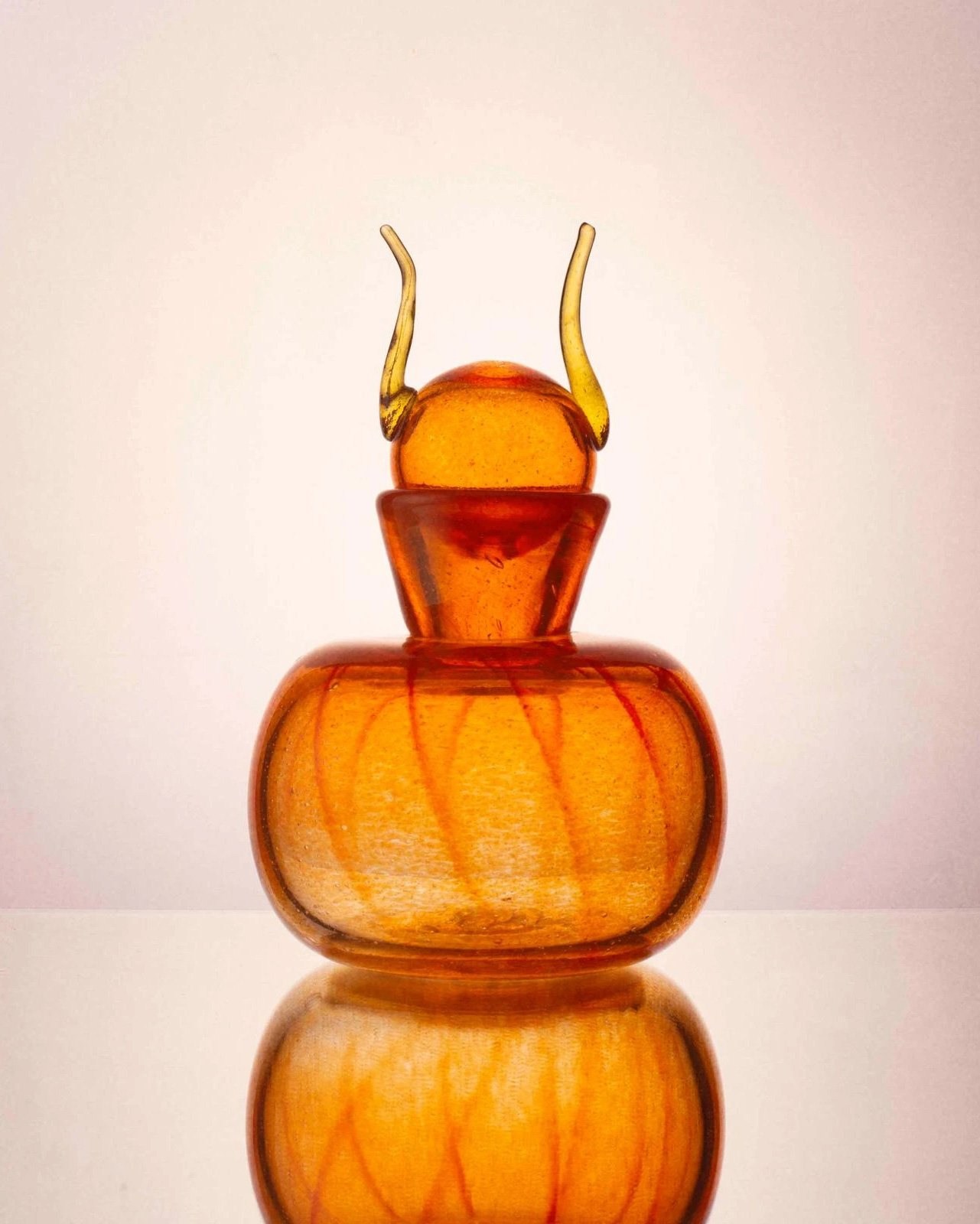
For autumn/winter 2022, Meyer contacted Heven, the glassware studio of Breanna Box and Peter Dupont. Their horned vessels had begun as a present for the man who gave Box her first directing job. With glassblower Josh Raiffe at Brooklyn Glass, they worked out how to blow the bag in one piece. The glass was thick enough to need an air hose. Heven took Raiffe to Paris to see Gigi Hadid carry the result.
Before Bella walked
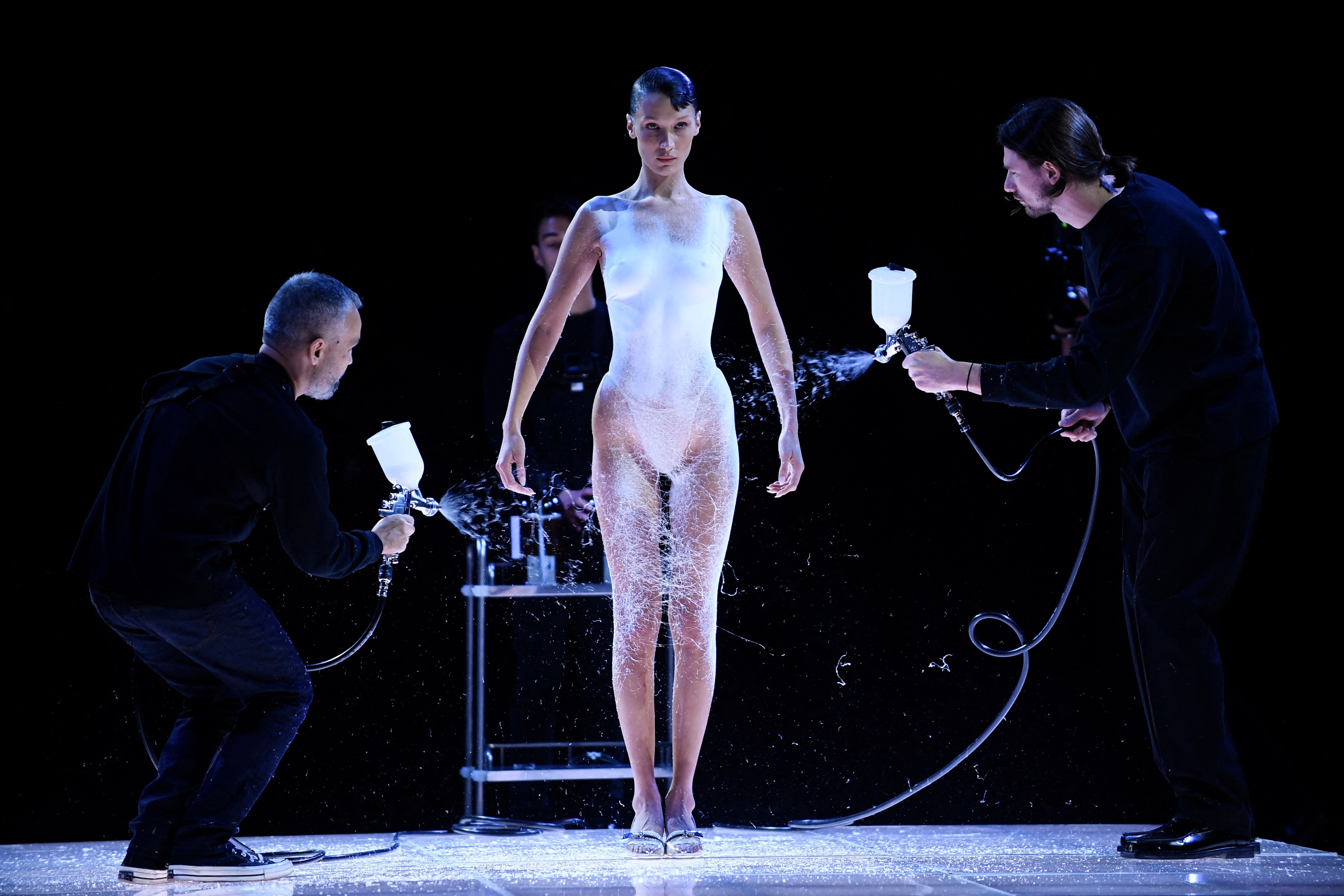
That September, Bella Hadid stood in her underwear while Manel Torres and his team sprayed her with Fabrican. When it had set, Coperni’s head of design, Charlotte Raymond, lowered the neckline and cut a slit. Hadid walked the runway in the finished dress.
Torres had been developing spray-on fabric for more than twenty years. With chemical engineer Paul Luckham, he had already staged a spray-on fashion show at Imperial College London in 2010. Meyer found the technique, and Maybe helped decide how to present it. Tekinel later admitted they were mainly hoping the dress would not fall apart.
Jean du Sartel’s backstage film brings the work into focus. Hadid has misunderstood the material as paint. Raymond talks her through rolling down the neckline, then cutting the slit. Hadid asks whether she will already be wearing her shoes. The transformation depends as much on a designer’s fitting and a model’s movements as it does on the spray.
The film could not be played. Please reload the page and try again.
A pocket of brass
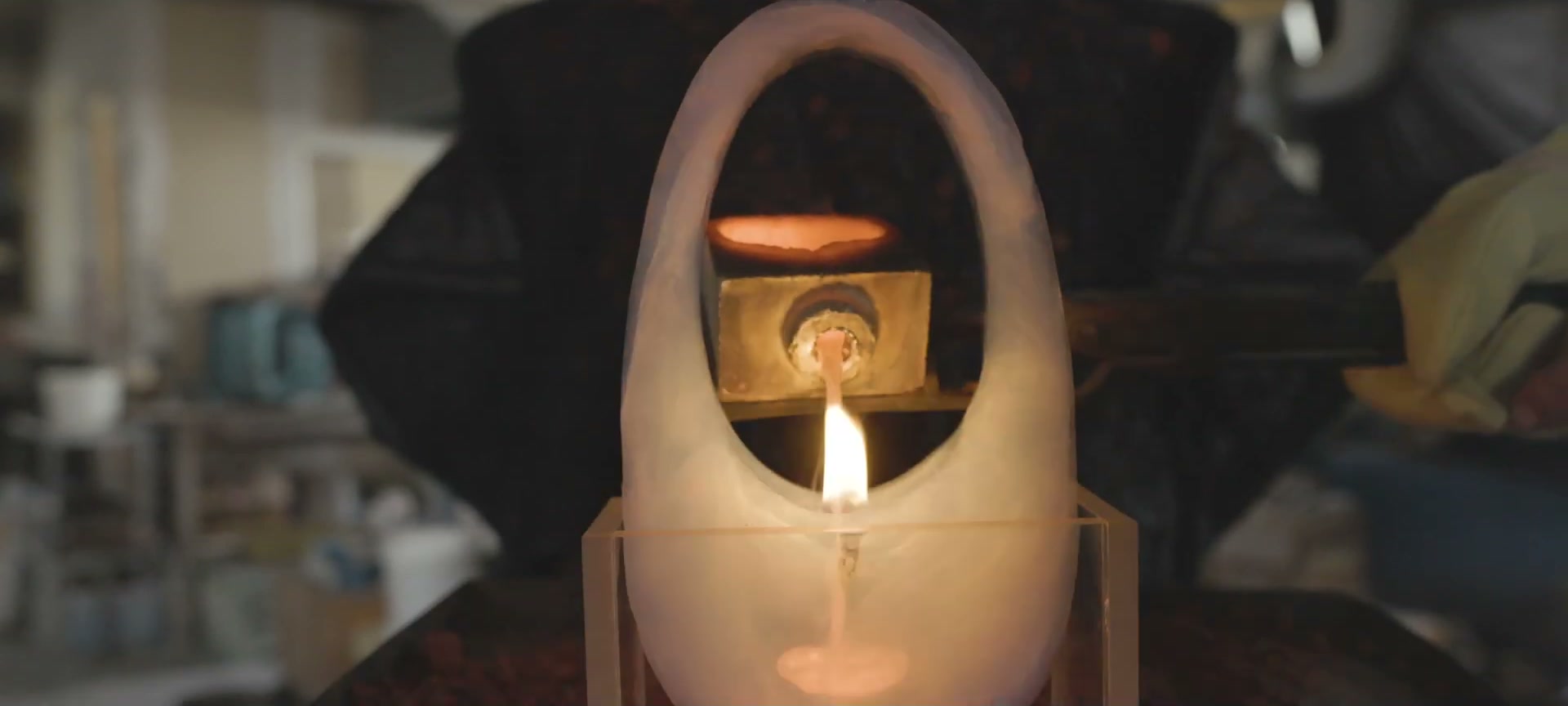
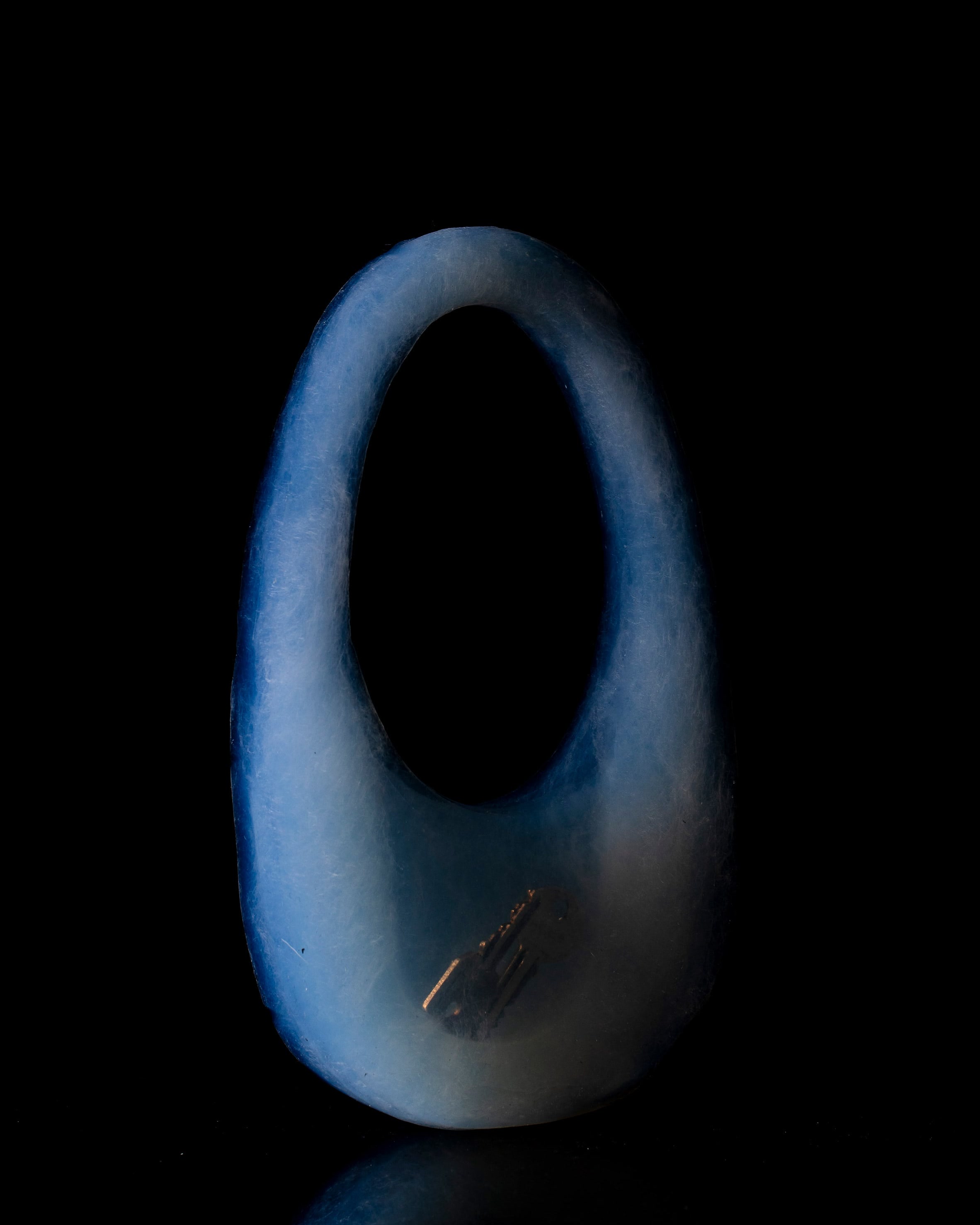
The Air Swipe began with an artist’s long pursuit of a cloud. In 1998, Ioannis Michaloudis noticed a hook-shaped cloud in one of his photographs. He wanted to make one with a shape of his own.
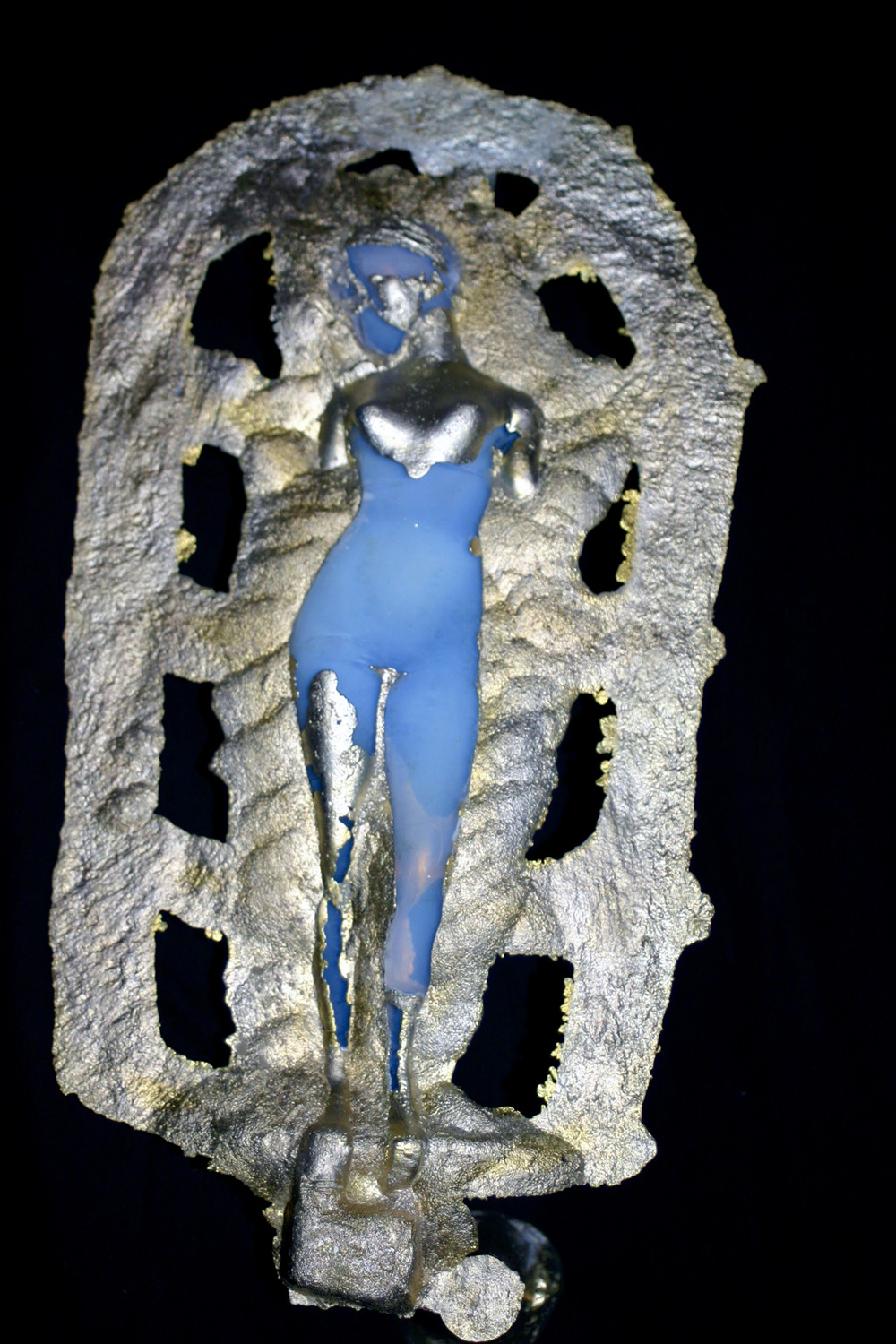
Silica aerogel is a porous solid whose tiny air-filled spaces make it an effective insulator. Michaloudis’s work with the material took him to MIT, India and NASA’s Jet Propulsion Laboratory. Scientist Steve Jones helped him understand the material, but the NASA recipe proved ill-suited to larger sculptures. Michaloudis developed his own process. By the time he made Coperni’s bag in 2024, he had spent years casting translucent figures and fragments of sky.
Asked what could fit in its small pocket, he proposed molten brass. His film lavAsky follows the pour in an Athens foundry, then the bag being carried away with the metal glowing inside. He later showed an audience in Dallas the solid ingot it had produced.
The film could not be played. Please reload the page and try again.
Press play
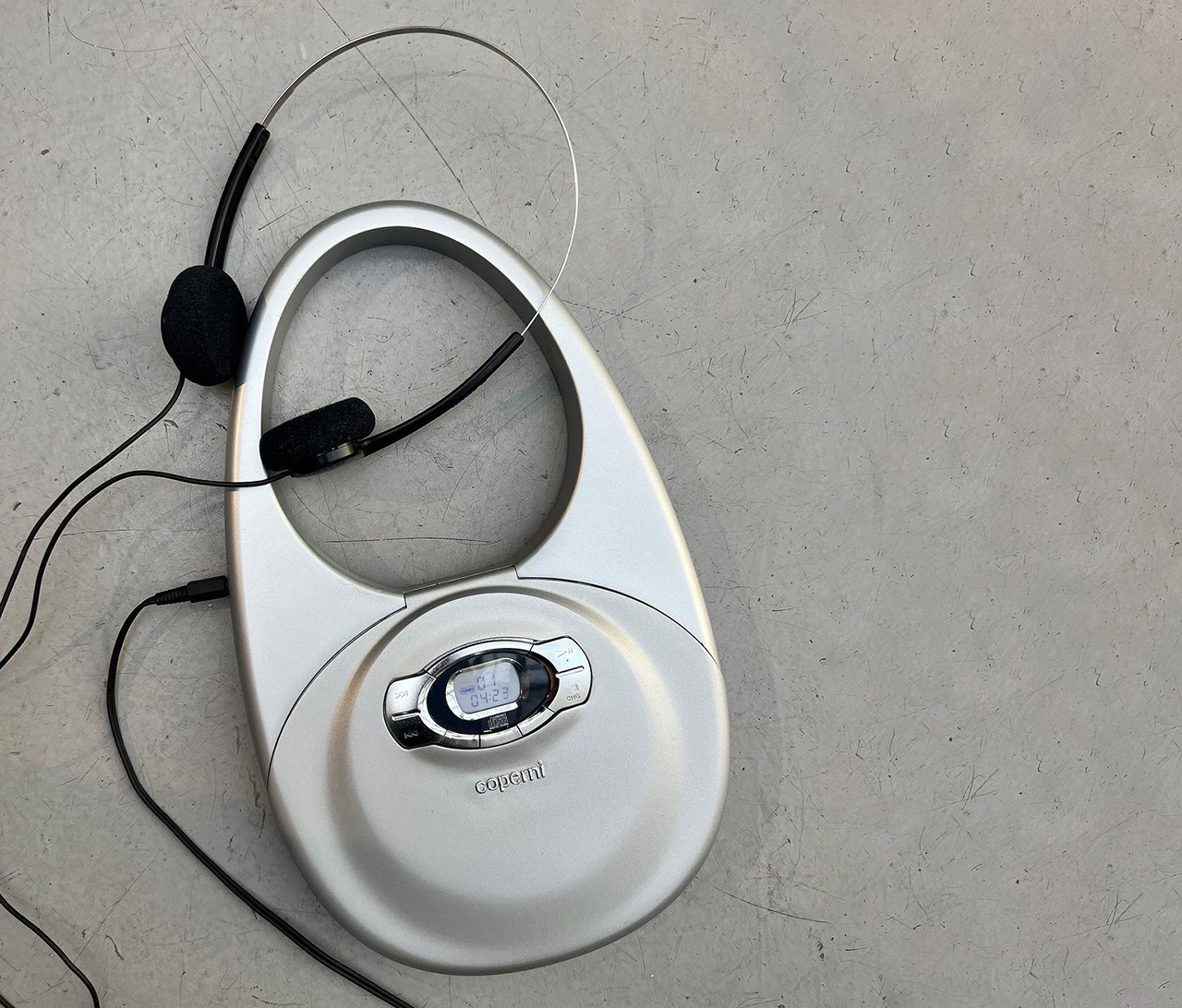
The CD-player Swipe, unveiled in September 2023 for spring/summer 2024, gave the familiar outline another use. Its silver body housed a working disc player, with wired headphones and a USB-C rechargeable battery. The disc fitted neatly beneath the looped handle.
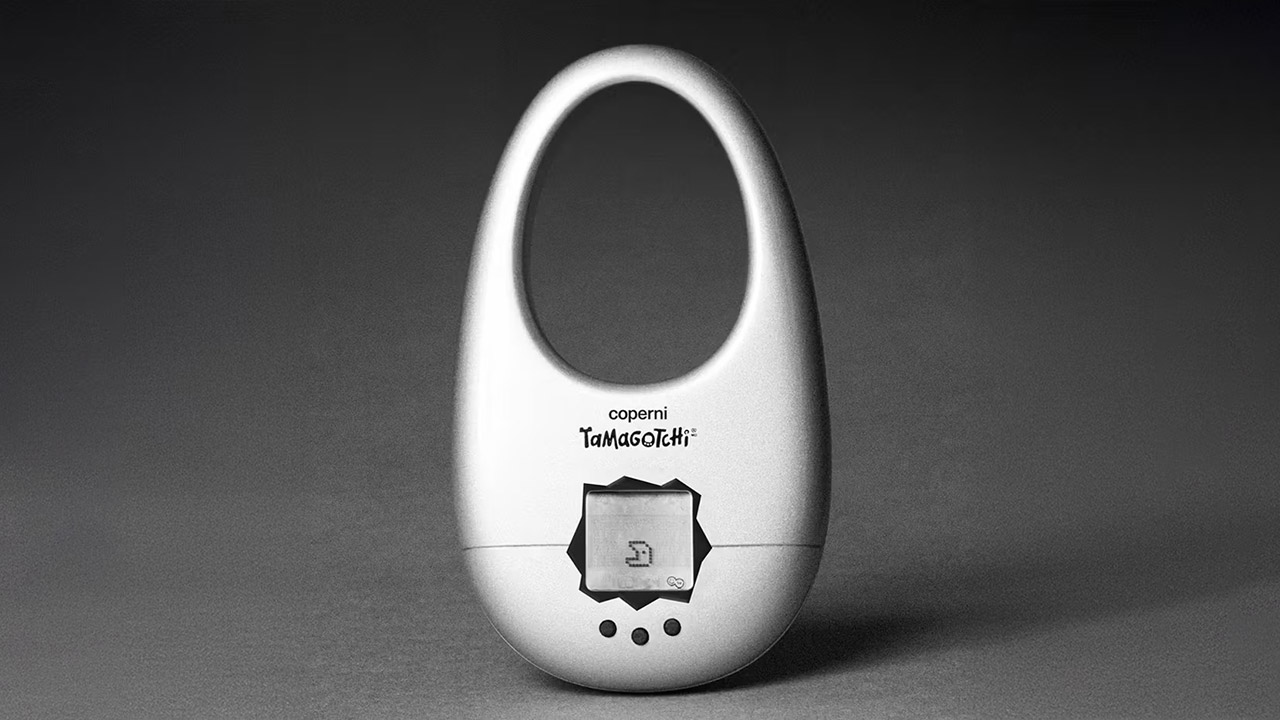
For autumn/winter 2025, Coperni worked with Bandai on the Tamagotchi Swipe Case. The miniature version set the digital pet’s screen and three buttons beneath the handle. Together, the two designs gave familiar electronics a new silhouette, while keeping the small rituals of choosing a disc or caring for a virtual pet.
Inside the gel
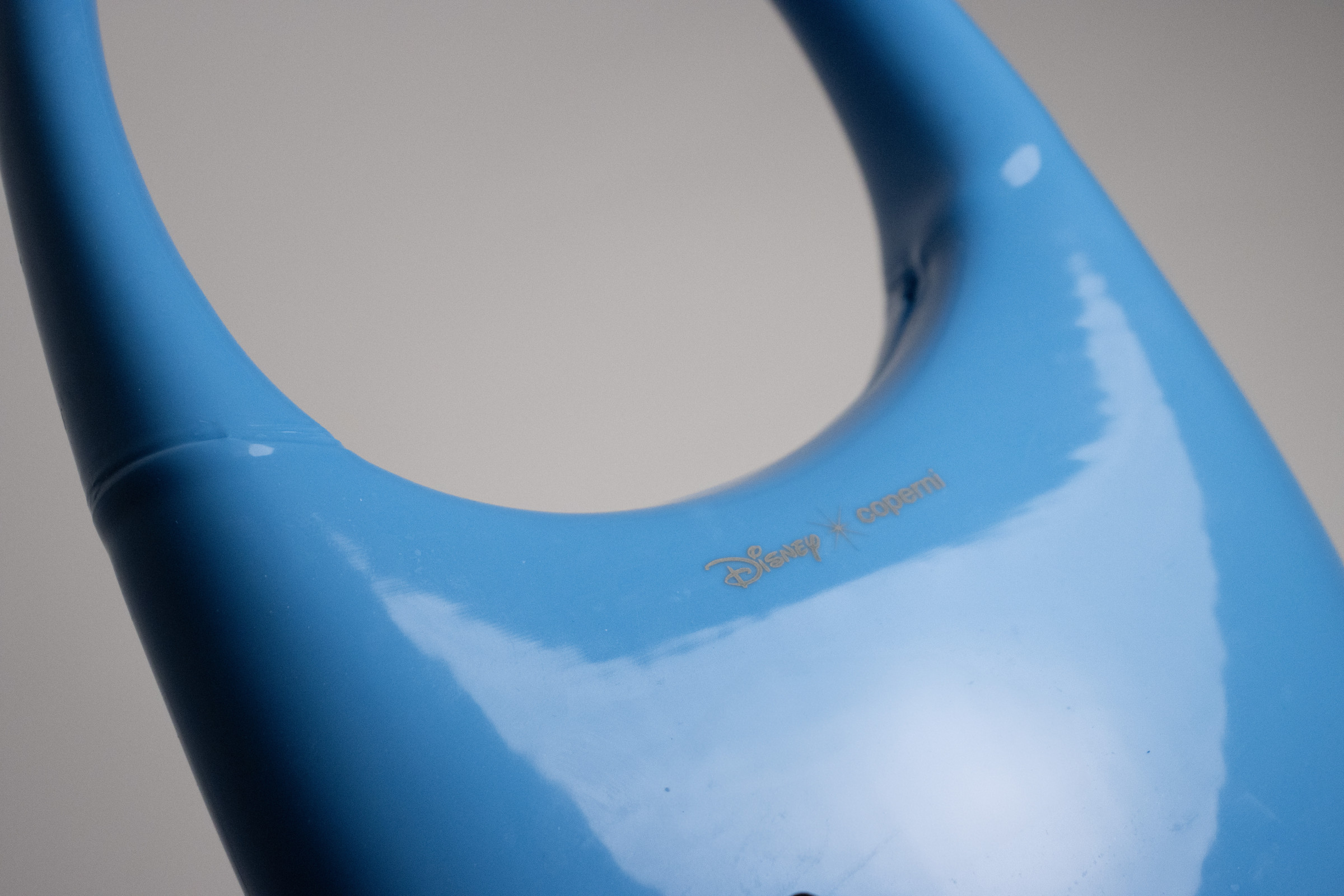
In 2024, the Ariel Swipe appeared at Coperni’s Disneyland Paris show. A nozzle drew the blue silicone bag inside a tank of gel, which held the soft material in place while it cured. The finished bag could be lifted out and rinsed.
Rapid Liquid Print, the Boston company behind it, grew out of MIT research with designer Christophe Guberan and furniture manufacturer Steelcase. Co-founder Schendy Kernizan described six weeks of exchanges with Coperni, including repeated changes to the opening. They produced three final bags, each taking four hours to print.
The difficult part was making something soft enough to stretch open but firm enough to hold its contents without sagging. RLP developed a reinforced opening and worked out how to print the bag’s curved surfaces in sequence. In a later interview, Hamilton Forsythe and the team said those methods had carried over into their medical-device work.
The film could not be played. Please reload the page and try again.
After the show
Coperni understood the value of being seen. Tekinel has been frank about the decision to make noise when the young label had little money, and about the friends who helped make the shows happen. But the most interesting collaborations gave those people room to bring something of their own. You can follow the glass bag back to Box’s gift, the Air Swipe to Michaloudis’s photographs, and the Ariel to a research lab trying to print furniture.
Meyer and Vaillant supplied a recognisable form and a public occasion for these experiments. Across the Swipe collaborations, the outline remained familiar while its weight, texture, and behaviour changed. The runway gave the work an audience; the objects gave it something to look at closely.
Some of the results will continue beyond the label. RLP’s account of adapting its methods to medical devices gives that continuation a practical form. Coperni will be missed for the commissions and encounters that made such work possible.
Read the founders’ farewell note
Sébastien Meyer and Arnaud Vaillant, 4 November 2026
Over the past few months, we have tried everything to preserve Coperni and find a resolution to the conflict with our shareholder and distributor, Tomorrow.
Despite all our efforts, no solution could be found. It is with profound sadness that we announce today that Coperni SAS is ceasing operations.
These eight years have been incredible. We have been able to bring our ideas to life, meet unforgettable people and share moments we would never have dared to imagine when we first embarked on this journey.
Coperni existed because of you.
To everyone who wore our creations, followed us, encouraged us and placed their trust in us.
To the Fédération de la Haute Couture et de la Mode, the stores, buyers, press, celebrities, models, photographers, stylists, production companies and all the talented people who have been part of this journey.
And above all, to our teams and the factories, for their creativity, energy and commitment, even through the most difficult times.
Thank you for bringing this brand to life, far beyond anything the two of us could have achieved alone. We are proud of what we have created together and happy to have shared this story with you.
See you soon,
Arnaud and Sebastien
Behind the work
Coperni
- founders
- Sébastien Meyer, Arnaud Vaillant
Drive-in show
- creative direction
- Maybe: Charles Levai, Kevin Tekinel
- production
- La Mode en Images
- music
- Clara 3000
Glass Swipe
- collaboration
- Heven: Breanna Box, Peter Dupont
- glassblowing
- Josh Raiffe, Brooklyn Glass
Spray-on dress
- spray-on fabric
- Fabrican, Manel Torres
- head of design
- Charlotte Raymond
- model
- Bella Hadid
- rehearsal film direction
- Jean du Sartel
Air Swipe and lavAsky
- Air Swipe and film idea
- Ioannis Michaloudis
- videography, photography, and editing
- Dimitris Sidirokastritis
- model
- Malayika
- garment
- Eleni Kavvada
- music
- Marenglen Buzo
Ariel Swipe
- collaboration
- Coperni, Rapid Liquid Print
Tamagotchi Swipe Case
- Collaboration
- Coperni, Bandai
Sources
| Source | Title |
|---|---|
| vogue.com | The closure |
| vogue.fr | At home, 2014 |
| coperni.com | The Swipe’s outline |
| i-d.co | Heven and Josh Raiffe |
| theglasshub.com | The earlier glassware |
| imperial.ac.uk | Fabrican before Coperni |
| system-magazine.com | Maybe |
| youtube.com | The making of a dress |
| fantastic.studio | The show camera |
| spinoff.nasa.gov | Michaloudis and aerogel |
| hypebae.com | The pocket |
| youtube.com | lavAsky |
| flash---art.com | The drive-in |
| fabukmagazine.com | Drive-in production |
| youtube.com | The complete AW21 show |
| tctmagazine.com | The Ariel development |
| cdfam.com | The reinforced opening |
| selfassemblylab.mit.edu | The research before the bag |
| tatlerasia.com | Glass Swipe photographs |
| theglasshub.com | Handsome Devil carafe |
| dezeen.com | Air Swipe still life |
| coperni.com | The founders’ portrait |
| design-milk.com | The CD-player Swipe |
| fashionista.com | Spring/summer 2024 |
| hypebeast.com | The Tamagotchi Swipe Case |
| techeblog.com | Tamagotchi product photograph |